By Wafula Okumu
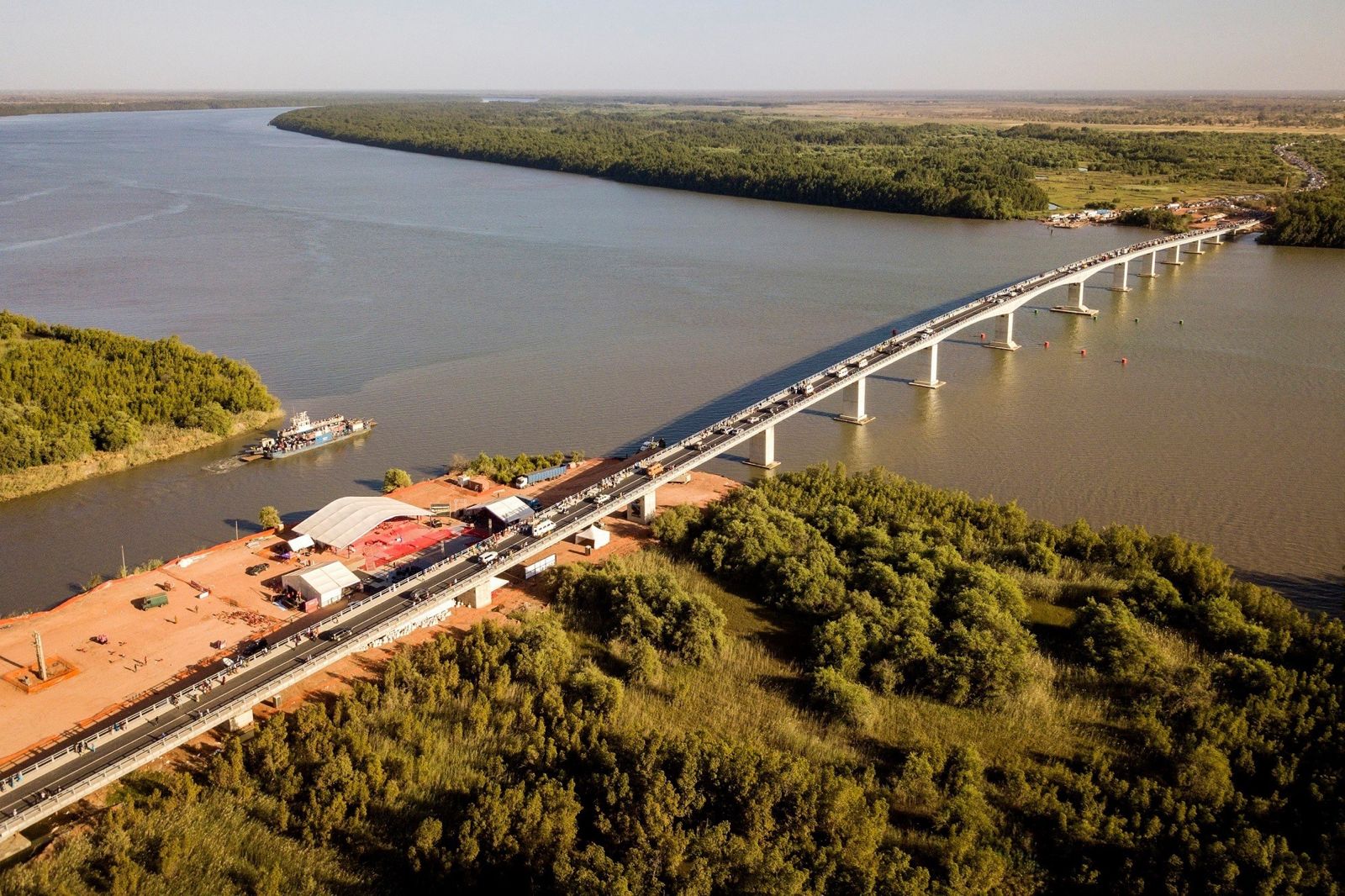
The 1.9-kilometre Senegambia bridge has significantly improved cross-border relations between Senegal and The Gambia. Source: Ventures Africa
Ààlà, a Yoruba word for “border,” evokes a powerful image of lines that can either divide or connect. In Africa, these lines, often drawn without regard for the continent’s rich tapestry of cultures and communities, have too often been sources of conflict and division. But what if we could reimagine these borders? What if we could transform them from barriers into bridges, fostering peace, prosperity, and a more integrated Africa?
This is the vision behind The Ààlà Post, the new weekly blog from The Borders Institute. We are launching this platform to create a dedicated space for a vital conversation—a conversation about the challenges and opportunities of African borders, and a forum for sharing ideas and solutions to build a more peaceful and prosperous continent.
The paradox of African borders
The legacy of colonialism has left Africa with a complex and often fraught relationship with its borders. Arbitrarily drawn, these lines have divided communities, fuelled conflicts, and hindered economic integration. Today, the continent continues to grapple with these challenges. From the tensions in the Horn of Africa to the security concerns in the Sahel, border-related issues remain a significant obstacle to peace and stability.
These challenges are not merely abstract geopolitical issues; they have a real and devastating impact on the lives of millions. Border conflicts displace communities, disrupt livelihoods, and create fertile ground for instability. The statistics are stark: over 52% of all violent events and fatalities in Africa between 1994-2024 occurred within 100 kilometres of a border; and hundreds of border disputes have cost the continent peace dividends running into trillions of dollars.
Furthermore, these challenges undermine Africa’s collective progress. The African Continental Free Trade Area (AfCFTA) holds immense promise for the continent's economic development, but its success hinges on our ability to overcome the physical and institutional barriers that still divide us. Informal cross-border trade, which accounts for an estimated 40% of all trade in sub-Saharan Africa and provides a livelihood for approximately 43% of the continent's population, remains hampered by a patchwork of regulations and a lack of coordinated governance.
The unseen opportunities
Yet, for all the challenges, there is also immense opportunity. Well-managed and peaceful borders can become powerful engines of economic growth and regional integration. They can facilitate trade, foster cultural exchange, and create shared prosperity for the communities that straddle them. The African Union's vision of an integrated, prosperous, and peaceful Africa is not a distant dream; it is a tangible goal that can be achieved through a concerted effort to transform our borders.
There are already inspiring examples of cross-border cooperation across the continent. From joint resource management initiatives to shared infrastructure projects, communities and governments are finding innovative ways to work together across their borders. These success stories, however, often go untold, lost in a narrative that focuses overwhelmingly on conflict and division.
The missing link: A platform for dialogue and solutions
This is where the Ààlà Post comes in. We believe that one of the missing links in the quest for a more integrated Africa is a dedicated platform for sharing knowledge, experiences, and solutions related to border issues. While the African Union Border Programme and other initiatives provide a crucial framework for action, there is a need for a more inclusive and accessible forum where researchers, policymakers, civil society organizations, and, most importantly, border communities themselves can come together to share their perspectives and forge a common path forward.
The Ààlà Post will be that forum. It will be a space for rigorous analysis, for the sharing of best practices, and for the amplification of voices that are too often marginalized in the conversation about borders. We will explore the complexities of border governance, celebrate the successes of cross-border cooperation, and champion innovative solutions to the continent's most pressing border-related challenges.
Introducing The Borders Institute
This initiative is proudly led by The Borders Institute, a leading research and advocacy organization dedicated to advancing knowledge and policy on border-related issues across Africa. Our work is grounded in three key pillars:
- Research and analysis: We conduct cutting-edge research on border dynamics, policies, and their impact on communities.
- Capacity building: We empower stakeholders through training, workshops, and educational programs on border issues.
- Policy advocacy: We work to influence policy development and implementation for better border governance and cooperation.
Through our comprehensive resource hub, Borderpedia, and our extensive library of publications, we are committed to providing the knowledge and tools needed to build a more peaceful and prosperous future for Africa's borderlands.
Welcome to the conversation
We invite you to join us on this journey. The Ààlà Post is not just a blog; it is a community. It is a platform for all who are passionate about building a more integrated and peaceful Africa. We invite you to read, to comment, to share, and to contribute your own intellectual and practical experiences.
Whether you are a researcher, a policymaker, a student, an artist, or a member of a border community, your voice is essential to this conversation. Together, we can transform Africa's borders from lines of division into bridges of opportunity. Together, we can build the Africa we want.
*Wafula Okumu is the Executive Director, The Borders Institute (TBI)
Comments (0)
Login Required
You must be logged in to post a comment.
Login RegisterNo comments yet. Be the first to comment!